

Hexarelin: Effects, Mechanism of Action, and Findings from Scientific Studies
Hexarelin (Examorelin) is a synthetic growth hormone secretagogue that activates the GHS-R1a receptor and has been shown in human studies to stimulate growth hormone release. Research has also explored its potential effects on cardiovascular function, lipid and glucose metabolism, mitochondrial activity, and skeletal muscle. However, most of these additional findings come from animal and cellular studies and have not yet been confirmed as therapeutic effects in humans.
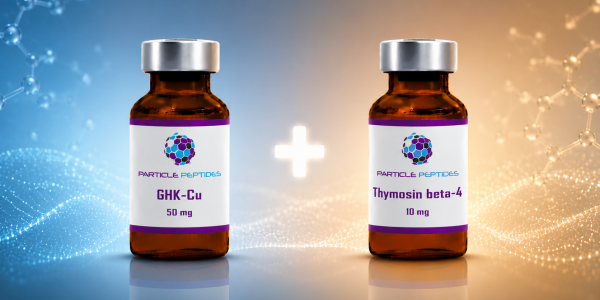
GHK-Cu + Thymosin Beta-4 (TB-500): A Research Combination for the Study of Skin Regeneration and Tissue Remodeling
GHK-Cu and Thymosin Beta-4 (TB-500) are among the most extensively studied peptide combinations in skin and soft tissue regeneration research. Their complementary biological mechanisms have made them a key focus of preclinical studies investigating extracellular matrix remodeling, angiogenesis, collagen synthesis, and cell migration.

BPC-157 + Thymosin Beta-4 (TB-500): Why Is This Combination Among the Most Extensively Studied in Tissue Regeneration Research?
BPC-157 and Thymosin Beta-4 (TB-500) are among the most extensively studied peptide combinations in tissue regeneration research. Their complementary biological mechanisms have made them a key focus of preclinical studies investigating soft tissue repair, angiogenesis, and cell migration.

CJC-1295 Without DAC and Ipamorelin: What Does Research Show About This Pair of GH Secretagogues?
The combination of CJC-1295 without DAC and Ipamorelin is among the most widely discussed pairs of GH secretagogues. Research suggests that by activating two distinct regulatory pathways, this combination may support a more natural and physiologically complex pattern of growth hormone secretion.
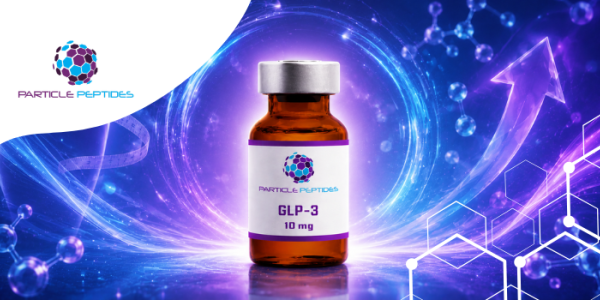
What Is GLP-3? Exploring the Research Behind a Triple GLP-1, GIP, and Glucagon Receptor Agonist
GLP-3 is an experimental peptide that simultaneously activates GLP-1, GIP, and glucagon receptors. Research suggests that it may influence appetite, energy expenditure, and glucose and lipid metabolism. This triple-receptor mechanism makes it one of the most promising molecules in current metabolic research, while its long-term effects continue to be evaluated.
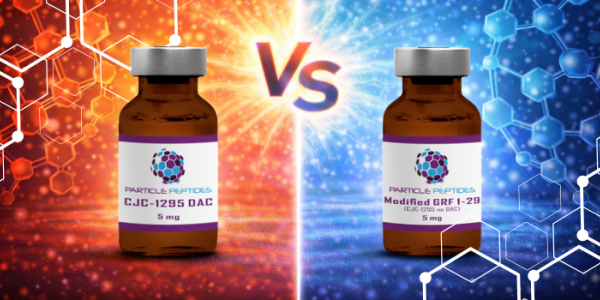
CJC-1295 With DAC vs. Without DAC: Differences in Pharmacokinetics, Mechanism of Action, and Endocrine Response
CJC-1295 is a synthetic GHRH analog available in two main forms: with DAC and without DAC (Mod GRF 1-29). The primary difference lies in their duration of action. The DAC version provides prolonged stimulation of the GH/IGF-1 axis, while the non-DAC version produces a shorter, more pulsatile signal that more closely resembles the natural physiology of growth hormone release. As a result, both forms serve as distinct research tools for studying hormonal regulation.

GHRP-2 vs. GHRP-6: What Research Reveals About Two Classic GH Secretagogues
GHRP-2 and GHRP-6 are synthetic peptides from the growth hormone secretagogue family that stimulate the release of growth hormone via the ghrelin receptor. Although they share a similar mechanism of action, scientific literature highlights differences in GH response, appetite effects, and metabolic signaling.

Peptides for Tanning: A Scientific Look at Melanotan 2 (MT2)
Discover how Melanotan 2 (MT2) is studied in relation to melanogenesis, melanocortin receptors, and skin pigmentation. The article explains the role of α-MSH, MC1R, eumelanin production, and the biological mechanisms behind pigmentation research.

Peptides for Hair: A Scientific Look at GHK-Cu and Thymosin Beta-4
Hair peptides such as GHK-Cu and TB-500 are being studied for their potential effects on hair follicles, angiogenesis, and tissue regeneration. GHK-Cu is mainly associated with collagen, fibroblasts, and VEGF, while TB-500 is linked to cell migration, stem cells, and the hair growth cycle. Research is promising, but clinical evidence in humans is still limited.
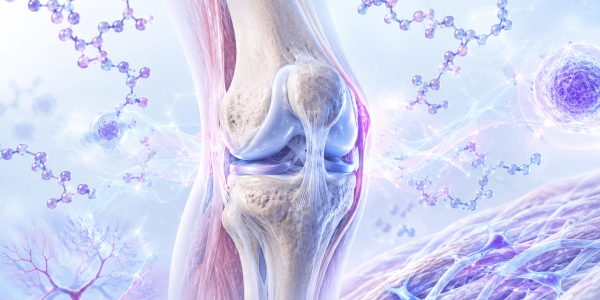
Peptides for Joints: Which Molecules Are Being Studied for Tissue Regeneration?
Peptides for joints include molecules studied in connection with connective tissue regeneration, tendon and ligament healing, angiogenesis, and inflammatory signalling. The article focuses mainly on BPC-157, TB-500, KPV, and the BPC-157 + TB-500 combination, explaining the key mechanisms investigated in research.