Celebrating International Women's Day: Get 17% discount on selected products with the code PPAMDZ (valid until March 11, 2026)

Blog

BPC-157: Mechanisms of Action and Biological Signaling in Preclinical Research

BPC-157 is a synthetic peptide studied in preclinical models for its role in cellular signaling, angiogenesis, and tissue integrity. It interacts with the nitric oxide (NO) system, influences cell migration, and supports extracellular matrix organization. Experimental data also suggest effects on vascular stability, epithelial barrier function, and neuronal homeostasis. However, current evidence is limited to in vitro and animal studies, and its safety and efficacy in humans remain unconfirmed.

Do Peptides Degrade During Shipping Without Refrigeration? Facts vs. Myths

Scientific data show that lyophilized peptides remain stable during standard shipping without refrigeration. Even under extreme conditions, only minimal changes in purity occur, staying within acceptable limits. Refrigeration is mainly necessary for long-term storage, not short-term transport.

WARNING: Protect yourself from scams – shop safely at particlepeptides.com

Fake accounts and fraudulent websites are impersonating the Particle Peptides brand to mislead customers. Learn how to identify them, where to shop safely, and how you can help protect the research community.

Particle Peptides Sets the Benchmark for Research Peptide Quality

When it comes to research peptides, quality and consistency are non-negotiable. At Particle Peptides, we apply pharmaceutical-level standards — including independent third-party testing and full Certificates of Analysis — to ensure purity, safety, and full transparency in every batch.

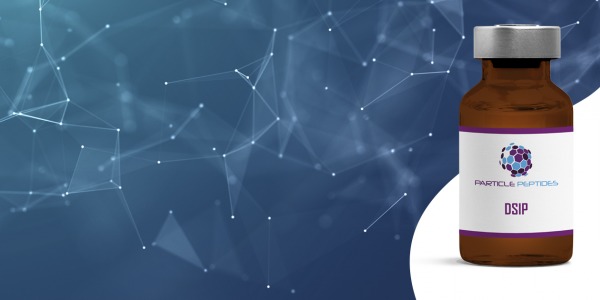
DSIP: Studies on its effects in sleep regulation and relief from chronic stress

DSIP paves the way for specialized treatment of conditions that often resist conventional therapies. It is applied in cases of insomnia, anxiety disorders, and burnout syndrome. DSIP promotes deep, restorative sleep, which forms the foundation of both mental and physical balance. At the same time, it expands therapeutic possibilities in neuropathic pain, fibromyalgia, inflammatory diseases, immune system deficiencies, and even in the field of cancer prevention.

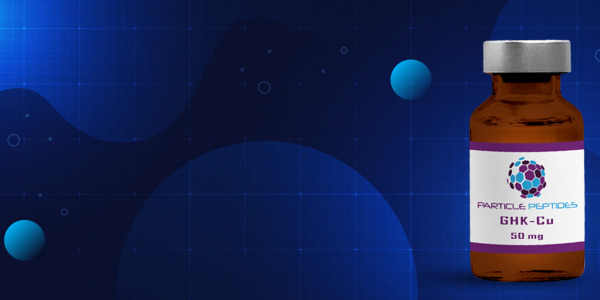
GHK-Cu: A scientific look at its effects on skin and tissue regeneration

GHK-Cu visibly rejuvenates the skin, smooths wrinkles, and minimizes acne scars. In the field of trichology, it stimulates hair growth, strengthens hair follicles, and enhances the success of transplant procedures. It is also applied in addressing inflammatory conditions, oxidative stress, and impaired microcirculation. Thanks to its high efficacy even at low doses and its favorable safety profile, GHK-Cu is becoming a cornerstone of modern regenerative medicine.

Thymalin: A scientific look at its effects on slowing aging and enhancing immunity

Thymalin is an exceptional peptide with the longest clinical history in its category. It strengthens the immune system during challenging periods, alleviates chronic inflammation, and helps manage viral diseases, including COVID-19. It accelerates recovery after physical exertion, injuries, and surgical procedures. At the same time, it supports heart health, reducing the risk of heart attack and stroke. Thanks to its ability to slow the aging of the immune system, it contributes to a longer and higher-quality life.

Melanotan 2: Research and clinical studies on natural tanning and increased libido

Melanotan 2 gives the skin an attractive bronze tone that appears natural while enhancing protection against external factors. In the brain’s centers, it regulates hunger, suppresses appetite, and promotes fat burning, contributing to gradual body shaping. At the same time, it activates neurochemical pathways responsible for libido and the intensity of arousal. The result is a unique triple effect that transforms not only appearance but also one’s attitude toward their own body.

Thymosin Beta 4: A scientific perspective on tissue regeneration enhancement

Thymosin beta 4 is a regenerative peptide with exceptional tissue-repairing properties. By enhancing cell migration, reducing inflammation, and preventing scarring, it supports healing in the skin, cornea, muscles, and heart. In aesthetic medicine, it promotes hair growth and pigment restoration. Its multifunctional profile makes it a promising tool in modern regenerative therapy.

Thymosin alpha 1: Research and studies on its effects in cancer treatment and immune failure

Thymosin alpha 1 is an immunomodulatory peptide that strengthens the immune system without triggering excessive inflammation. It shows promise in treating infections, cancer, HIV, hepatitis, and sepsis, while also enhancing the effectiveness of vaccines and chemotherapy. Its unique dual action makes it a next-generation tool for challenging clinical situations.
group_work Cookie consent