Peptides play an active role in regulating processes that shape information processing, learning and maintaining mental performance. They intervene in neuronal networks, where they modulate signalling pathways associated with neuroplasticity, the formation of synapses, and the production of neurotransmitters. Some peptides promote faster learning, increase concentration and improve memory skills.
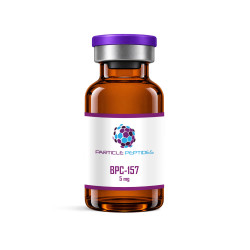
BPC-157, a synthetically produced penta-decapeptide, a fragment of the Body Protective Compound (BPC), protein that was discovered and derived from human gastric juice, represents a sequence of 15 amino acids similar to that present in human BPC. In several research studies in animals and cultured cells, this peptide has been shown to accelerate the...
BPC-157, a synthetically produced penta-decapeptide, a fragment of the Body Protective Compound (BPC), protein that was discovered and derived from human gastric juice, represents a sequence of 15 amino acids similar to that present in human BPC. In several research studies in animals and cultured cells, this peptide has been shown to accelerate the...
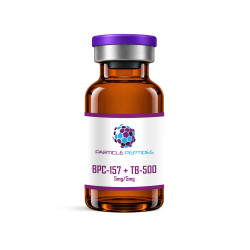
BPC-157 + TB-500 Blend combines two synthetic research peptides studied for their potential roles in tissue repair, regeneration, cell migration and angiogenesis. BPC-157 is primarily investigated for its effects on healing processes and vascular response, while TB-500, a synthetic analogue of Thymosin Beta-4, is studied for its involvement in cell...
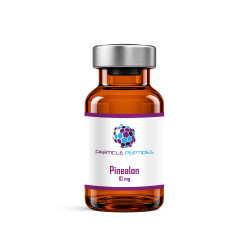
Pinealon is a synthetic peptide composed of three amino acids (glutamic acid, aspartic acid, and arginine), classified as a bioregulator. As a bioregulator, it influences biological processes in the body, particularly in the areas of neuroprotective effects, memory, learning, and neuron protection. Pinealon has shown potential in the treatment of...
Selank is a synthetic analogue of the human immunomodulatory peptide tufsin, which modulates the expression of Interleukin 6 (IL-6) and balances T helper cells, induces metabolism of serotonin, and concentration of monoamine neurotransmitters. Selank was developed by researchers at the Institute of Molecular Genetics in Russia in the 1980s, and it has...
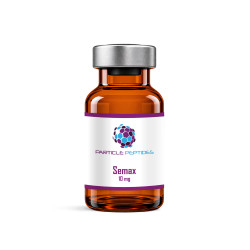
Semax belongs to the research peptides, and it is produced synthetically as a derivate of adrenocorticotropic hormone (ACTH). It has shown promise as a cognitive enhancer and potent neuroprotectant. Similarly to Selank, it was developed at the Institute of Molecular Genetics in Russia in the 1980s, and has nootropic, neuroprotective, and neurorestorative...
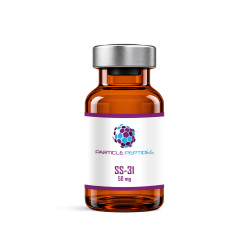
SS-31 (Elamipretide) is a synthetic tetrapeptide designed to support mitochondrial function. It selectively binds to cardiolipin in the inner mitochondrial membrane, thereby stabilizing mitochondrial structure and optimizing cellular energy (ATP) production. It is being investigated in the context of therapies for heart failure, mitochondrial diseases,...