
- today
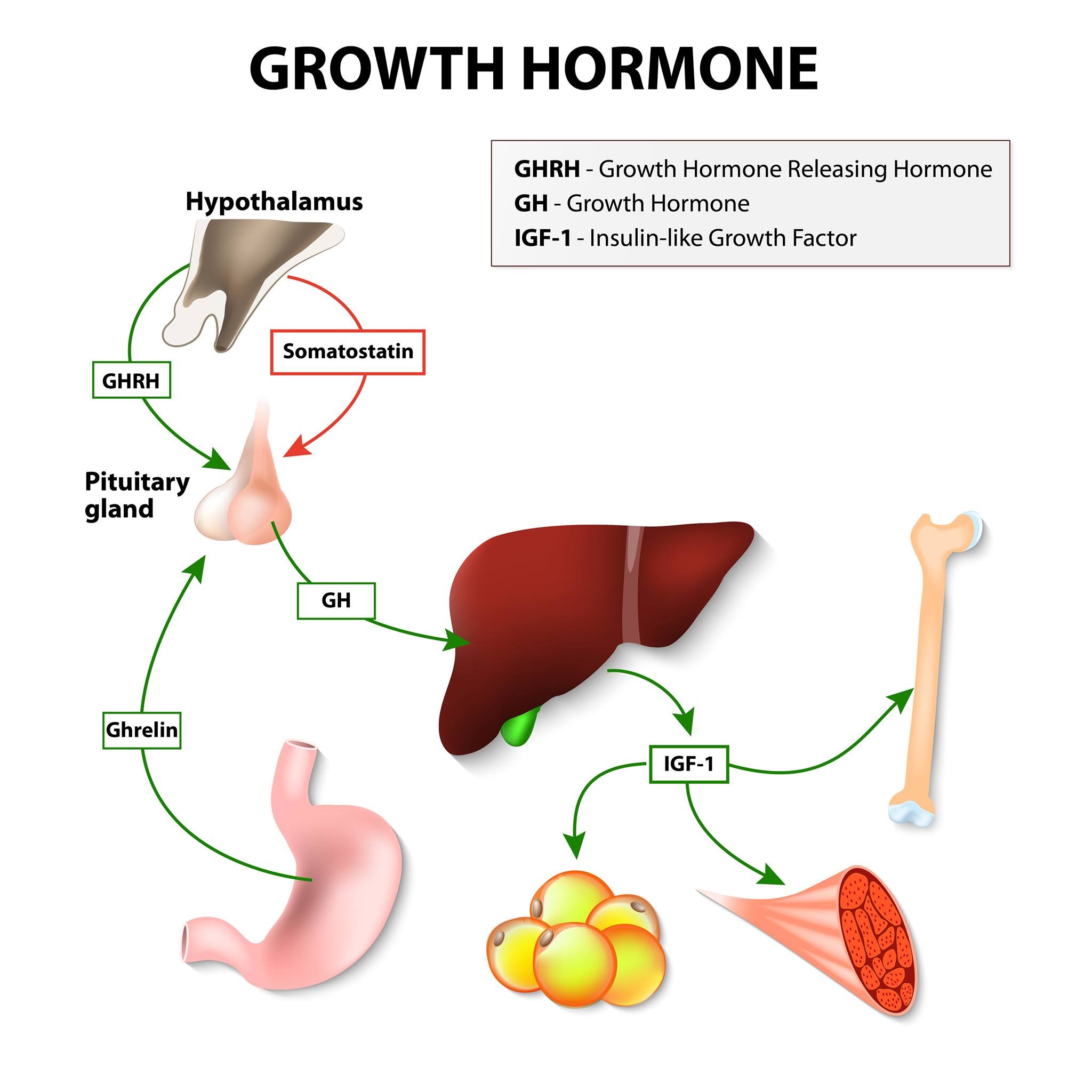
Peptides are present in every cell and tissue of the body and are an integral part of most biological processes. Maintaining appropriate levels of peptide concentration and activity is essential for achieving homeostasis and sustaining health.
Proteins
Peptides are molecules commonly referred to as proteins. According to the book Principles of Biochemistry, all peptides are composed of chemically bonded amino acids. Their size ranges from just two amino acids—dipeptides—to thousands of amino acids, known as polypeptides. The function of a peptide is determined by its size and amino acid sequence.
Transporters
All cells have a protective membrane that prevents most substances from entering. According to Advanced Nutrition and Human Metabolism, certain peptides act as transporters, selectively allowing specific substances to pass through the cell membrane. For example, glucose transporters are necessary to transfer glucose from the blood into muscles or other cells to be used for energy. Similarly, cellular waste products can leave the cell through specific peptide transporters.
Enzymes
Enzymes are biological catalysts that accelerate metabolic reactions. According to Principles of Biochemistry, most enzymes are peptides. Hundreds of enzymes are distributed throughout the body to speed up reactions involved in many essential processes. These processes include food digestion, energy production, and the synthesis of cellular components.
Hormones
Hormones act as biological messengers, transmitting information from one tissue through the bloodstream to distant tissues. Two common classes of hormones are peptide hormones and steroid hormones. According to Advanced Nutrition and Human Metabolism, peptide hormones include those involved in blood glucose regulation, such as insulin and glucagon, as well as those regulating appetite, such as ghrelin and leptin.
Structure
According to Advanced Nutrition and Human Metabolism, peptides also function as structural components of the body. For example, the peptides actin and myosin are crucial structural elements of muscle. Peptides also contribute to the shape and strength of bones. Together, bones and muscles not only provide the body with structure but also enable movement and protect internal organs.
References / Links
- StatPearls: “Biochemistry, Peptide” a detailed explanation of what peptides are, their sizes (from 2 to ~50 amino acids), bonds, and the distinction between peptides and proteins. NCBI
- BioLibreTexts – “Amino Acids, Peptides, and Proteins (Jakubowski & Flatt)”- peptide structure, formation of peptide bonds, size range, and functions. Biology LibreTexts
- Advanced Nutrition & Human Metabolism (Gropper, Smith, Carr etc.) a textbook covering enzymes, hormones (such as insulin, glucagon, ghrelin), transporters, and the metabolism of proteins and peptides. lib.zu.edu.pk+2Dokumen+2
- Nature Reviews / Therapeutic peptides: current applications and future - a review article on therapeutic peptides, their functions, modifications, and applications.. nature.com
Research Quality Begins with Peptide Quality
At Particle Peptides, we believe that reliable research begins with reliable materials. That is why our research peptides are manufactured on cGMP-compliant production lines by a global pharmaceutical CDMO, and every batch undergoes independent third-party testing for:
- Purity
- Identity confirmation
- Peptide content
- Endotoxin levels
- Heavy metals (Class I & II)
- Microbial contamination (TAMC & TYMC)
Transparency and independently verified laboratory data form the foundation of high-quality scientific research.
Disclaimer: All Particle Peptides products are intended exclusively for scientific research and laboratory use. They are not intended for human or veterinary use, nor for the diagnosis, treatment, cure, or prevention of any disease.