
- today
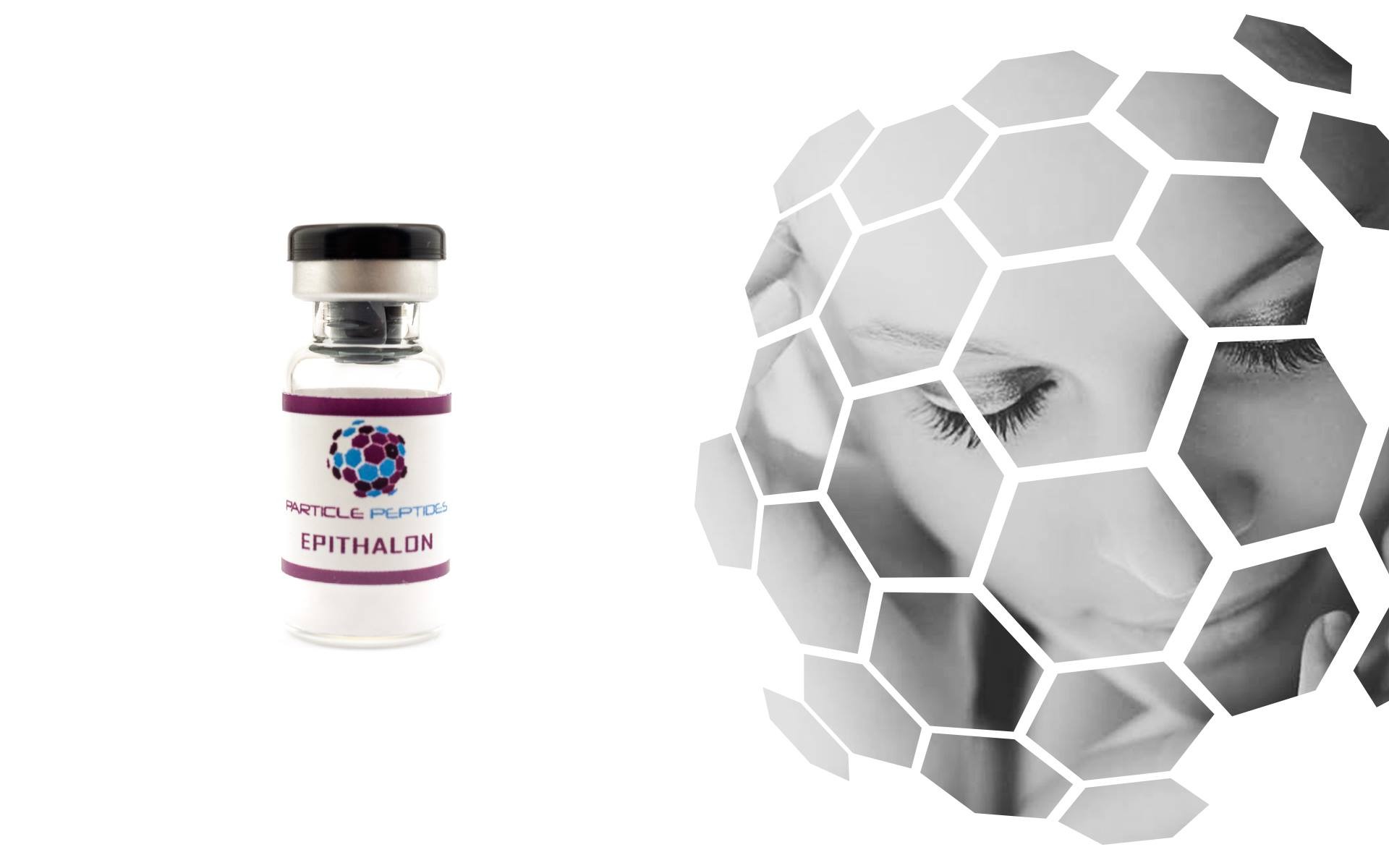
Research has shown that epitalon is a powerful antioxidant that eliminates oxygen-free radicals responsible for damaging and killing cells. This process, known as oxidative stress, is the root cause of a wide variety of age-related diseases. It is important to note that the human lifespan is inversely related to the number of oxygen-free radicals in the human body, and epitalon is responsible for slowing down and killing these killer radicals. Since free radicals are the main source of degenerative diseases, eliminating them prevents diseases such as cancer, dementia, Alzheimer’s, muscle and joint pain, heart disease, and more.
The unique makeup of humans is determined by our DNA strands. On the tip of each DNA strand are telomeres, which prevent the loss of vital genetic information that happens each time a cell divides. Every time a cell divides, the telomeres get shorter. The more frequent the cell division, the shorter telomeres become, until they become too short, preventing further cell division, growth, and rejuvenation. Numerous studies have shown that the shortening of telomeres is linked to age-related diseases and is a good predictor of early death.
However, there is an enzyme produced naturally in our body called telomerase (not to be confused with ‘telomeres’) which reverses the process of telomere shortening and degradation. Unfortunately, our telomerase production declines significantly as we age.
So, when telomerase production is reactivated, cells can exceed their time limit and continue to divide in a healthy manner, allowing us to live longer. This is exactly what epitalon does. It reactivates the production of telomerase which in turn strengthens and elongates the telomeres in our cell’s DNA strands. This decreases cell death and degeneration, extending the lifespan of our cells and preventing a plethora of age-related diseases.
Early research into epitalon found that people who took epitalon had about a 25% longer life than their non-epitalon counterparts. These early studies triggered further studies which corroborated the initial findings. One of these studies reported that epitalon increased the lifespan of elderly and senile individuals by an incredible 50%.
Warning
THE GOODS OFFERED BY THE SELLER IS INTENDED FOR SCIENTIFIC AND DEVELOPMENT PURPOSES ONLY. The goods offered by the Seller include chemical substances that shall not be used as a drug, medicine, active substance, medical aid, cosmetic product, a substance for production of a cosmetic product neither for human consumption that is any food or food supplement or otherwise similarly used on humans or animals.
References / Links
- Anisimov, V. N., Khavinson, V. K., & Morozov, V. G. (2000). Twenty years of study on effects of pineal peptide preparation: Epithalamin in experimental gerontology and oncology. Annals of the New York Academy of Sciences, 917, 345–354. PubMed
- Anisimov, V. N., Mylnikov, S. V., Oparina, T. I., & Khavinson, V. K. (2001). Effects of epitalon on biomarkers of aging, life span and spontaneous tumor incidence in female Swiss-derived SHR mice. Biogerontology, 2(1), 35–44. PubMed
- Khavinson, V. K., & Anisimov, V. N. (2009). Peptide bioregulation of aging: Results and prospects. Biogerontology, 10(2), 121–133. Springer
- Khavinson, V. K., Linkova, N. S., & Dyatlova, A. O. (2020). Peptide regulation of aging: 35 years of research. Experimental Gerontology, 130, 110797. PubMed
Research Quality Begins with Peptide Quality
At Particle Peptides, we believe that reliable research begins with reliable materials. That is why our research peptides are manufactured on cGMP-compliant production lines by a global pharmaceutical CDMO, and every batch undergoes independent third-party testing for:
- Purity
- Identity confirmation
- Peptide content
- Endotoxin levels
- Heavy metals (Class I & II)
- Microbial contamination (TAMC & TYMC)
Transparency and independently verified laboratory data form the foundation of high-quality scientific research.
Disclaimer: All Particle Peptides products are intended exclusively for scientific research and laboratory use. They are not intended for human or veterinary use, nor for the diagnosis, treatment, cure, or prevention of any disease.
