

Study in mice shows the effect of HDL-mimetic peptides in Crohn's disease and colitis
Peptides that mimic the function of HDL cholesterol, which has been dubbed “good cholesterol,” can treat the underlying inflammation associated with inflammatory bowel disease, or IBD, according to new research in mice. The same work revealed new details on how IBD can develop and what other types of drugs may work to treat the disease.
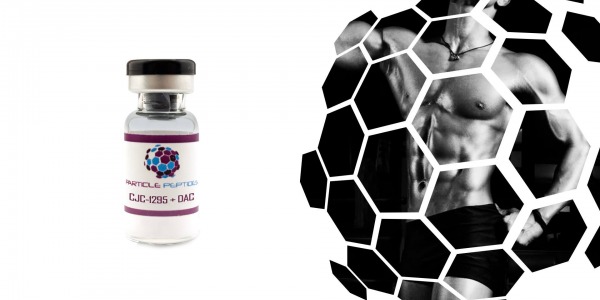
What is CJC-1295 + DAC and how does it work according to science
Several studies involving CJC-1295 + DAC have shown promising results regarding the increase of hGH (human Growth Hormone) in both men and women.

Scientific perspective on epithalon: telomerase activation and aging
Epithalon is a four-amino-acid-long peptide derived from a naturally occurring pineal gland protein, it is able to extend cell survival in vitro.

How Semax works: a scientific perspective
Semax is a peptide drug based on a fragment of the adrenocorticotropic hormone (ACTH). In Russia, Semax is used as a medication for the prevention and treatment of circulatory disorders including stroke. Semax is listed on the Russian List of Vital & Essential Drugs, a reference of key medications which is reviewed and approved by the Russian government.
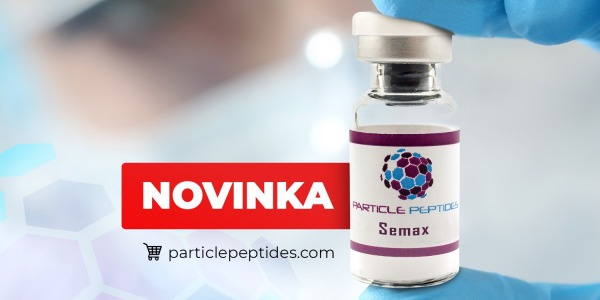
Semax: a scientific perspective on its mechanism and effects
Semax is a drug which is used mostly in Russia and Ukraine for a broad range of conditions but predominantly for its purported nootropic, neuroprotective, and neurogenic/neurorestorative properties. Semax has not been evaluated, approved for use, or marketed in other countries such as the United States.

GHRP-6 and hGH: what studies say about their differences and effects
GHRP-6 (Growth Hormone Releasing Peptide – 6) is a peptide hormone, basically a hexapeptide. It contains a chain made up of 6 amino acids. It is one of numerous man-made met-enkephalin analogs that incorporate unnatural D-amino acids.

What are the functions of peptides according to scientific research
Peptides are found throughout every cell and tissue in the body and are an integral part of most biologic processes. Maintenance of appropriate concentration and activity levels of peptides is necessary to achieve homeostasis and maintain health.
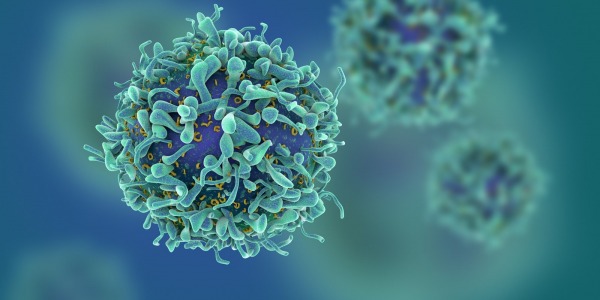
Scientific study: machine learning predicts peptides with immunogenic potential
The immune system keeps T cells under control by regulating precisely when they can respond to a pathogen.
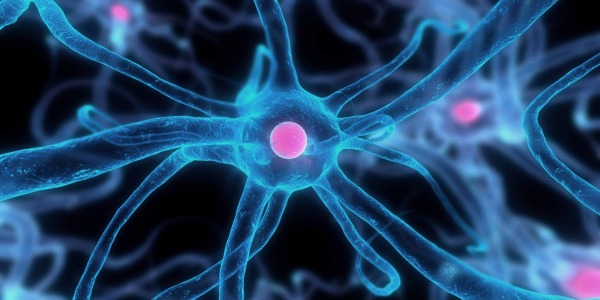
Research on peptides acting on the central autophagy pathway
Autophagy, meaning “self-eating” in Greek, is a general metabolic mechanism adopted by nearly all the eukaryotic species, from the single cell yeast to humans.

Peptides vs. proteins: a scientific perspective on their differences
Proteins and peptides are fundamental components of cells that carry out important biological functions. Proteins give cells their shape, for example, and they respond to signals transmitted from the extracellular environment.