
- today
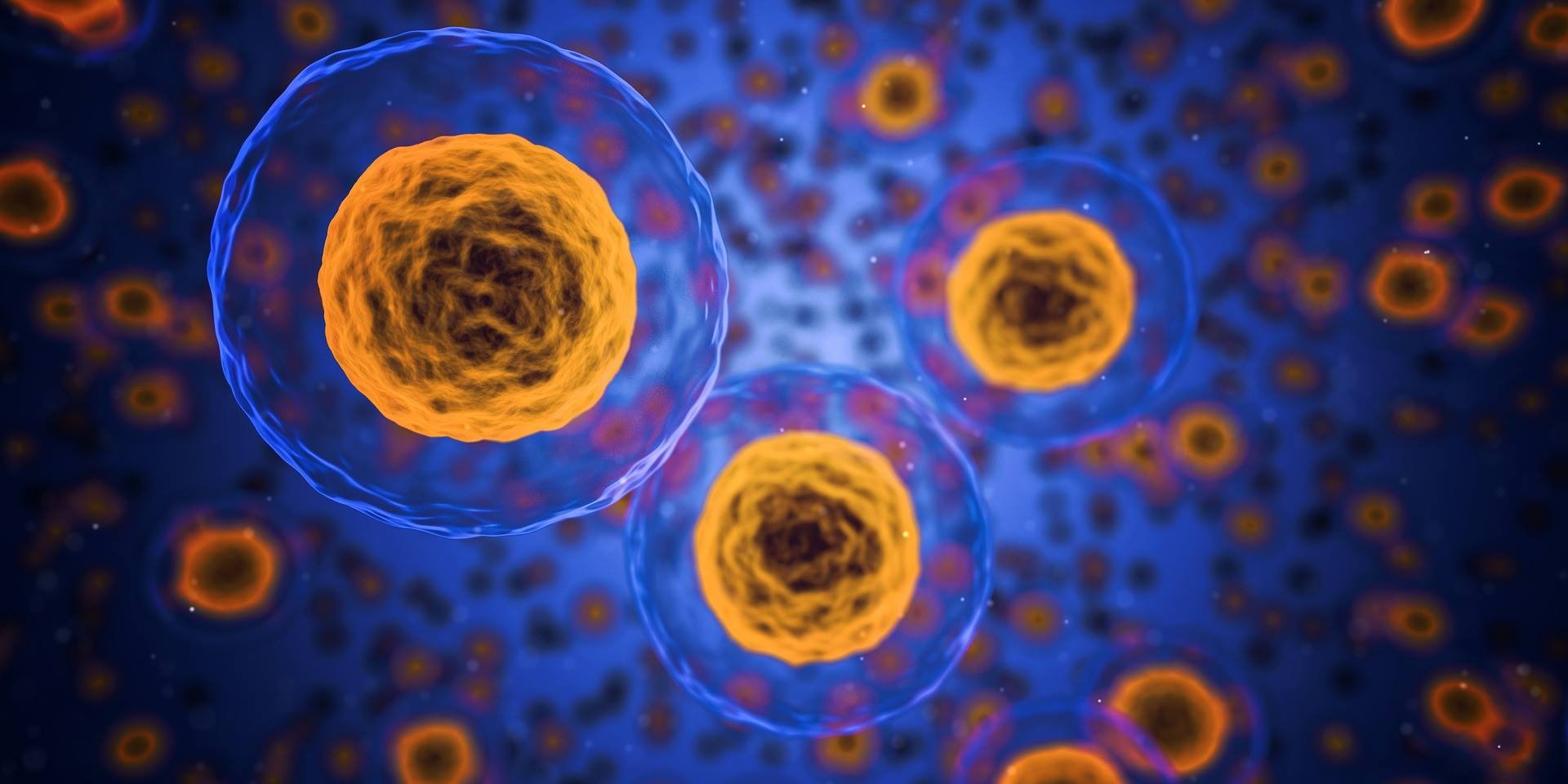
A new way to rejuvenate old cells in the laboratory, making them not only look younger but start to behave more like young cells, has been discovered by researchers at the Universities of Exeter and Brighton.
A team led Professor Lorna Harries, Professor of Molecular Genetics at the University of Exeter has discovered a new way to rejuvenate inactive senescent cells. Within hours of treatment, the older cells started to divide and had longer telomeres - the 'caps' on the chromosomes which shorten as we age.
Professor Harries said: “This is a first step in trying to make people live normal lifespans, but with health for their entire life. Our data suggest that using chemicals to switch back to the major class of genes that are switched off as we age might provide a means to restore function to old cells.”
Dr Eva Latorre, Research Associate at the University of Exeter, who carried out the experiments was surprised by the extent and rapidity of the changes in the cells.
“When I saw some of the cells in the culture dish rejuvenating I couldn’t believe it. These old cells were looking like young cells. It was like magic,” she said. “I repeated the experiments several times and in each case, the cells rejuvenated. I am very excited by the implications and potential for this research.”

THE GOODS OFFERED BY THE SELLER IS INTENDED FOR SCIENTIFIC AND DEVELOPMENT PURPOSES ONLY. The goods offered by the Seller include chemical substances that shall not be used as a drug, medicine, active substance, medical aid, cosmetic product, a substance for production of a cosmetic product neither for human consumption that is any food or food supplement or otherwise similarly used on humans or animals.
References / Links
- Latorre, E., Ostler, E. L., Faragher, R. G., Harries, L. W. (2017). Reversal of senescence-associated β-galactosidase expression with a small molecule inhibitor of the splicing factor kinase CLK1. BMC Cell Biology, 18(1), 31. PubMed
- University of Exeter (2017). Scientists discover new way to rejuvenate old cells. University of Exeter News Release. University of Exete
- ScienceDaily (2017). Scientists discover new way to rejuvenate old cells. ScienceDaily
Research Quality Begins with Peptide Quality
At Particle Peptides, we believe that reliable research begins with reliable materials. That is why our research peptides are manufactured on cGMP-compliant production lines by a global pharmaceutical CDMO, and every batch undergoes independent third-party testing for:
- Purity
- Identity confirmation
- Peptide content
- Endotoxin levels
- Heavy metals (Class I & II)
- Microbial contamination (TAMC & TYMC)
Transparency and independently verified laboratory data form the foundation of high-quality scientific research.
Disclaimer: All Particle Peptides products are intended exclusively for scientific research and laboratory use. They are not intended for human or veterinary use, nor for the diagnosis, treatment, cure, or prevention of any disease.